
Powder coating vs anodising – which is right for your project?
C&O Powder Coatings » Powder coating vs anodising – which is right for your project?
Powder coating and anodising both protect metal from the weather and keep buildings looking smart for years. The problem is because they both do the same job it’s not always clear which is the better fit for a project.
At C&O we spend a lot of time talking this through with architects and fabricators, our 40 years of experience in powder coating means we’ve seen when and where each is most suitable, so here is our straightforward guide to help you decide which may be best for a project.
What is powder coating?
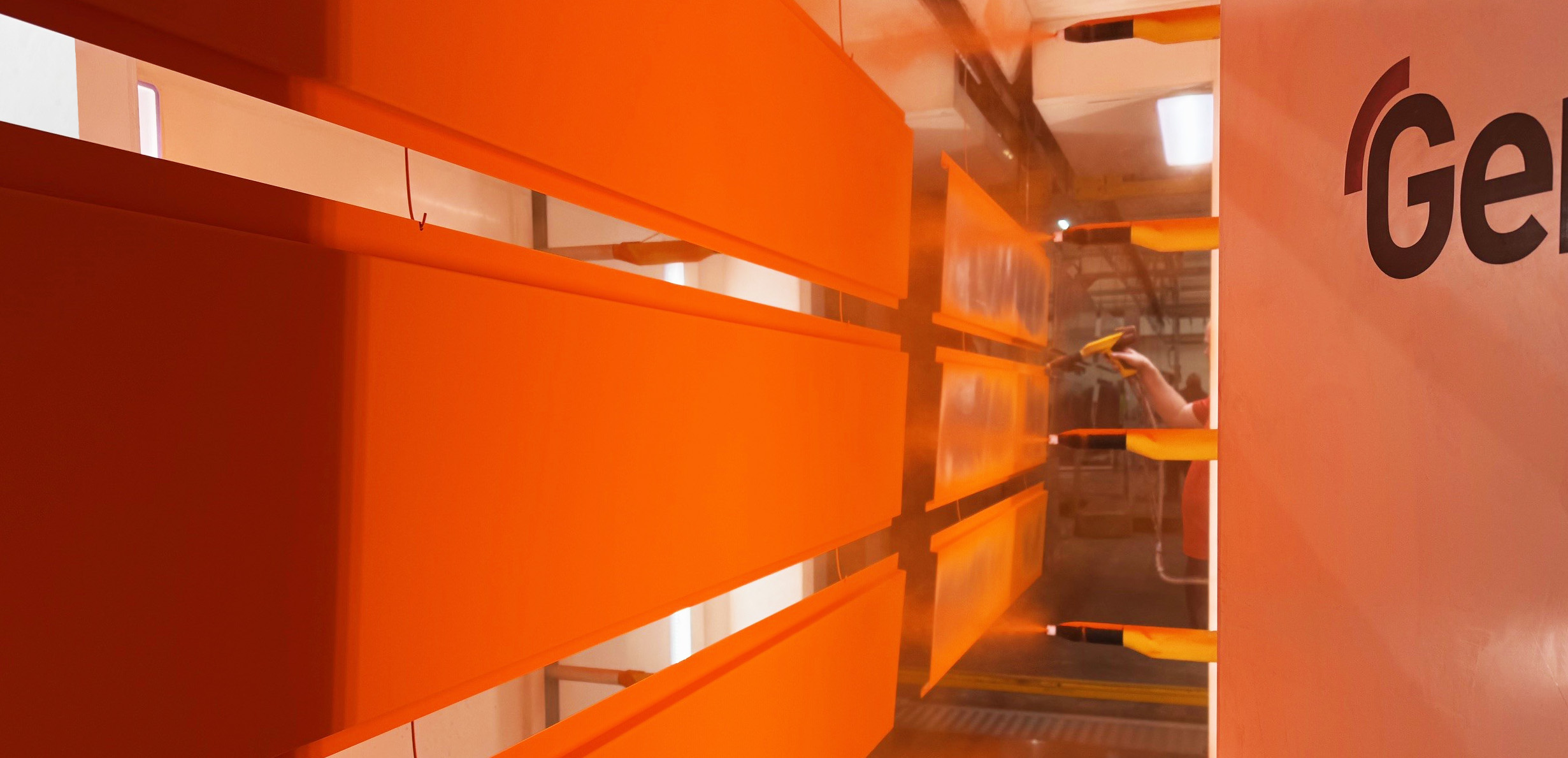
Powder coating is a dry finishing process used on metal. An electrostatically charged powder is sprayed onto the surface, then the metal is baked so the powder cures into a continuous coating. You end up with a hard wearing, uniform, high-quality finish that can be matched across large areas.
The key advantages of powder coating include:
- Can be used on a variety of metal surfaces, not just aluminium
- Has good resistance to chipping, fading and general wear
- Is available in a huge palette of colours and finishes
- Is the most eco-friendly metal coating option around
What is anodising?
Anodising is different. It is an electro‑chemical process that thickens the natural oxide layer on aluminium to form a hard, weather resistant protective surface which can only be used on aluminium.
During anodising, different colours can be introduced, which changes the appearance and depending on the thickness, and the environment it is installed in, can protect the metal for decades.
Typical advantages of anodising include:
- The hard surface suits areas with high wear or where harsh cleaners may be used
- Good long-term durability
- Available in a choice of colours and effects
- Is naturally UV resistant
Choosing between powder coating and anodising
There are proponents of each process but the choice of which finish to use will depend on several factors including
- Exterior weathering – Both finishes are designed to meet the same weathering standards with the ability to last for over 10 years in some very harsh environments although anodised may be more weather resistant in some circumstances.
- Hazardous environments – Anodised aluminium can be more susceptible to polluted or chemically aggressive environments compared to powder coated material. Powder coating will give longer lasting protection in these environments and can also keep refurbishment and repair costs down.
- Sustainability – Both powder coated, and anodised aluminium can be melted down and recycled, but anodised material produces a sludge of sulphuric acid and aluminium hydroxide which can be harmful and needs to be disposed of.
- Repair and refurbishment – It is almost impossible to repair an anodised surface, once damaged or weathered it needs to be replaced.
Powder coating is more forgiving. Chips and scratches can be repaired on site and for larger areas panels can be removed, stripped and recoated. That flexibility is a key reason many of our clients favour powder for large architectural work. - Range of use – Anodising can only be used on aluminium whereas powder coating can be on different materials including brass, copper and steel which means that architects have more choice for their project.
Deciding between powder coating and anodising is not always obvious. Budget, environment, expected life, refurbishment strategy and design all play a part. At C&O our job is to talk through those points and give clear, honest advice based on how these finishes behave in the real world.
If you would like to find out more about our range of industrial powder coatings call us on 01744 818776 to talk to one of our experts.