
Repair and Refurbishment of Powder Coating
C&O Powder Coatings » Repair and Refurbishment of Powder Coating
When people talk about powder coated facades and features, they often focus on “new”. Fresh panels arrive on site, colours stand out and everything looks sharp. Then the weather, pollution and day‑to‑day use start to change things. At C&O, we see refurbishment as the second half of the story, and it starts with how the aluminium is coated in the first place.
Why quality matters
Not every powder coated surface will age in the same way. The aluminium grade, the pre‑treatment, the choice of powder and how good the initial quality procedures were in manufacture all decide how well it will cope with years of sun, rain and dirt. When these foundations are right, you tend to see gradual, predictable ageing that can be managed with cleaning and light repair, rather than have a sudden failure.
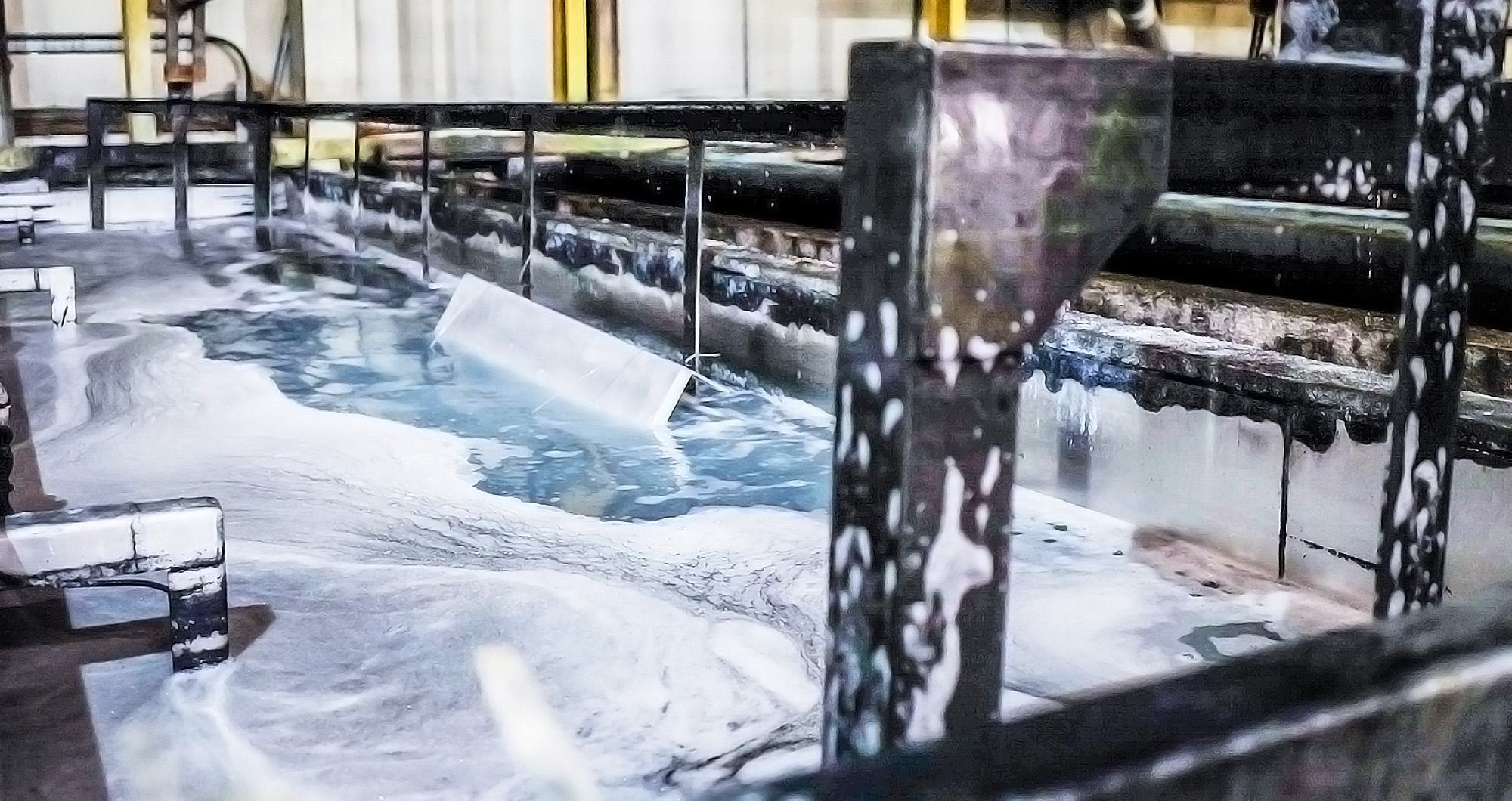
At C&O we work within recognised architectural standards such as Qualicoat and ISO9001:2015. That means controlled pre‑treatment, checked powder coating thickness and proper curing. It also means we document what we do. When someone comes back to us ten years later and asks about refurbishment, we can talk about the procedures and powder coating that was used, what environment it went into and what a realistic next step looks like.
Why powder coating might need refurbishment
Even with a good system, large architectural features take a lot of punishment. Over the years you’ll typically see:
- Fading and chalking on the sunniest elevations
- Staining where run‑off or standing water sits on cappings and feature fins
- Local damage from use
- Small areas of coating loss at edges, fixings or cut outs
Owners also use refurbishment as a chance to refresh the appearance of a building. A university might want to move away from a dated corporate colour. A retail park might be rebranded. In many of those cases the metal underneath is still sound, but the requirement has changed.
The important point is that refurbishment is normal. It doesn’t always mean something has gone wrong, it’s usually a sign that the powder coated feature has reached the point where it deserves some planned care.
Maintenance of powder coating
Good maintenance reduces the time between major refurbishments. At C&O we advise customers to plan a regular cleaning schedule which removes salts, pollutants and grime that would otherwise sit on the coating and speed up fading or corrosion. For most UK sites, that means at least an annual wash with a mild detergent solution and soft tools but for coastal, industrial or heavily trafficked sites they will need more frequent attention.
From our side, we always encourage clients to build a simple maintenance record:
- Date and method of each clean
- Any areas of concern spotted at the time
- Photos of specific defects
It doesn’t need to be complicated. A basic log and a folder of photos give us a much clearer view of how the powder coating is ageing, and our team can advise where intervention might be needed.
Inspection
A regular programme of inspections can help you plan well in advance refurbishment requirements. We suggest a tiered approach:
- A visual check from ground level once a year
- Closer inspections of specific areas or in harsh environments depending on the building’s exposure and importance
- Extra checks after any major building works where accidental damage might have affected the cladding
During an inspection you are looking for patterns, not just isolated marks. A single scratch from a ladder is a simple repair. A run of blisters along a joint line or capping tells a different story and may indicate different issues.
The question we always ask is: “What is the coating telling us about the next five to ten years?” If cleaning is still restoring the appearance, and defects are small and local, then light touch repair is usually enough.
Options for refurbishment of powder coating
On facades and larger features there are four broad routes.
- Cleaning – Sometimes a thorough clean and the right care products will bring back enough colour and gloss for the client’s expectations. We see this on mid‑life buildings where the coating is still structurally sound.
- Local repairs – Chips and small damaged areas can often be treated on site with suitable preparation, primers and touch‑up topcoats but must be done to manufacturers guidelines. Colour and gloss matching are important here, especially on flat feature panels where every patch will be visible if the match is poor.
- Partial panel refurbishment – This is common where one elevation faces the sea, or where one corner of a building carries all the weather and pollution. In this situation a programme of repair on the most exposed zones makes sense. Test panels and mock‑ups help to control how refurbished powder coated areas blend with the rest of the facade.
- Full strip and recoat – This is the most involved option and is usually reserved for situations where the existing powder coating is widely failing, or where a major change of colour and performance is required if the metal underneath is sound. Components are removed, stripped back to bare aluminium, pre‑treated and coated again under factory conditions. It gives the longest reset but also needs the most planning and coordination.
Why a quick fix is not the option
If whole areas are dull, stained or starting to break down, it is time to look at sectional refurbishment or a more comprehensive repair programme. Customers are often looking for the quickest, least disruptive option but it’s important to use the correct pre-treatment and coating process during refurbishment as it was in the first place.
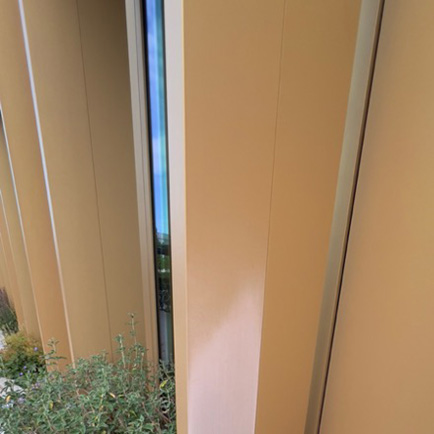
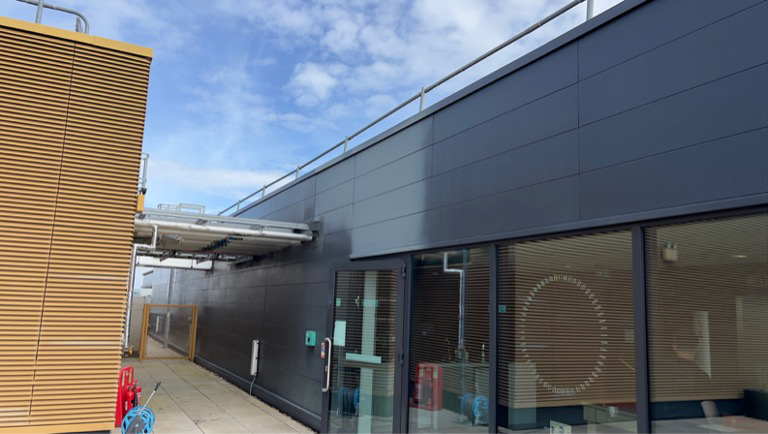
These examples show why just “touching up” just isn’t worth it and how on site resprays lead to poor colour matching and can eventually lead to a much larger job.
Working with C&O
With 40 years’ experience in powder coating the team at C&O are on hand to support customers and advise on what repair or refurbishment may be required.
Sometimes that means just a thorough clean and a few small repairs or possibly recommending a phased programme so that cost and disruption is manageable.
If you take one thing from this: refurbishment starts on day one. The way the aluminium is specified, coated, cleaned and inspected will decide how simple, or how painful, that refurbishment conversation will be in ten or fifteen years’ time. Our focus at C&O is to keep that conversation as straightforward as possible.
If you would like to talk to C&O about your specific issues, please contact us.